

Common OCD Subsets
OCD is a mental health condition where a person experiences obsessions (unwanted, intrusive thoughts, images, or urges) and compulsions (repetitive behaviors or mental actions done to relieve anxiety or prevent something bad from happening). OCD doesn’t look the same...

The Impact of Negative Self-Talk
Mental health issues can fuel negative self-perception. Thoughts like “I’m a burden,” “I’m not good enough,” or “I don’t deserve happiness” can become automatic. This internalized negativity only worsens symptoms. Research shows that self-compassion can interrupt this...

Utilizing Imagery in Therapy
Guided imagery or visualization can be a helpful tool in conjunction with a variety of treatment modalities. It’s versatile and can be used in and out of sessions. It can be utilized at any time and anywhere. Imagery uses the mind to create or manipulate mental images...

More Exercises for Anxiety
As a follow up to my previous post of five anxiety reduction exercises, here are five more. 1. Try a yoga pose. For child’s pose, come to your hands and knees with your knees hip width apart and your big toes touching. Sit back on your heels and allow your belly to...

Exercises for Anxiety
There are many exercises you can do to help reduce anxiety. Many focus on the body in some capacity while others direct attention elsewhere. Here are five exercises to try. 1. Progressive muscle relaxation: Start with the muscles in your toes. Squeeze those muscles...

Mindfulness in the Classroom
https://news.virginia.edu/content/expanding-mindfulness-practice-creates-benefits-classrooms-school-systems This article emphasizes the good that mindfulness can do for students and teachers in the classroom. A teacher rarely has...

The Impact of Trauma on the Brain
The impact of trauma on the brain is complex but here are some important things to know: The amygdala is a part of the brain that scans for threat. It’s like our brain’s fire alarm. The traumatized brain has an overactive amygdala. The fire alarm keeps going off even...
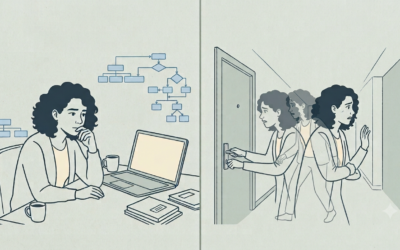
How to Tell if It’s OCD or Overthinking
We get stuck in our heads sometimes. Maybe you replay a conversation in your head, wondering if you said something silly or awkward. Or you re-check your email or message before hitting send. But what if those thoughts don’t stop? What if you feel fear or guilt and no...

The Intersection of Perfectionism and OCD
In my practice, I have clients coming to me who initially look like they’re struggling with perfectionism, when their symptoms are actually more aligned with OCD (obsessive compulsive disorder). The line between them can feel blurry, especially if you’ve found...

What Is OCD (Obsessive-Compulsive Disorder)?
You’ve probably heard someone say, “I’m so OCD” when talking about keeping things clean or organized. But Obsessive-Compulsive Disorder (OCD) is much more than liking order or neatness. In reality, OCD can be distressing, exhausting, and even debilitating. It’s not a...